
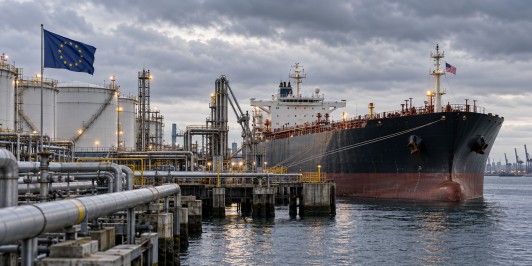
The European Union has raised concerns over reports that U.S. President Donald Trump is contemplating a 90-day ban on diesel exports, indicating that such a move could disrupt fuel markets and lead to higher prices both in the United States and Europe. This proposal, aimed at alleviating high domestic fuel prices by increasing availability within the U.S., could inadvertently cause a global tightening of diesel supplies.
European nations have become increasingly reliant on U.S. diesel imports due to reduced supplies from the Middle East and Russia, stemming from disruptions in refining capacities. The European Commission has emphasized the importance of dialogue between trading partners to mitigate adverse effects on shared fuel markets. The Commission warned that limiting U.S. exports could lead to increased competition for diesel supplies, thereby escalating prices.
While Europe produces a substantial portion of its diesel needs domestically and maintains strategic reserves, a cutback in U.S. exports could compel European importers to seek alternative supplies from regions like the Middle East and India. This could particularly impact the UK, which relies heavily on imported refined fuels and has limited domestic refining capabilities. Such a shift could elevate costs in sectors like agriculture, logistics, and transportation.
Fuel prices in Europe have already surged due to refinery disruptions in the Gulf region and Russia. A potential U.S. export ban could exacerbate these conditions, further straining international markets. Although the intention behind Trump’s proposal is to benefit American consumers, its repercussions could extend well beyond national borders, affecting global diesel markets.
