
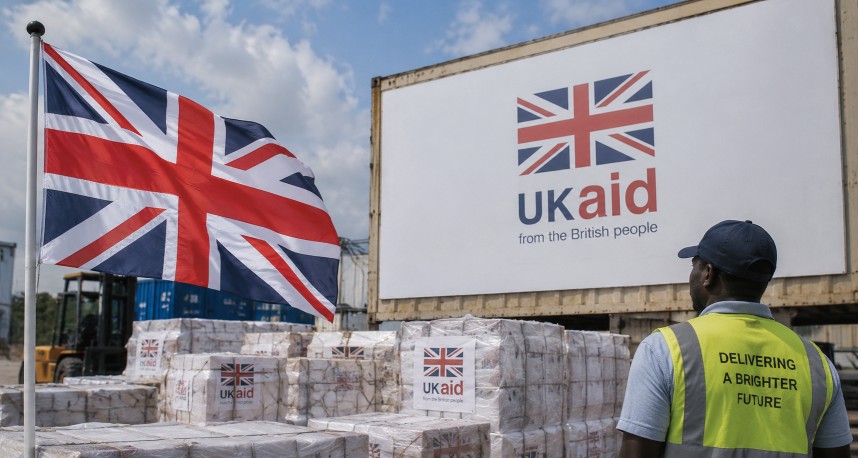
The United Kingdom is planning a significant decrease in its bilateral foreign aid to several African nations over the forthcoming years, marking a major shift in its approach to development funding. The reductions, expected to be substantial, will impact countries such as Mozambique and Malawi, where aid is anticipated to drop by up to 90% by the year 2029. Similarly, Rwanda and Sierra Leone are facing projected cuts of around 80%, while Somalia might experience a reduction of nearly 50% in its aid allocation.
This strategic redirection aims to channel more funds through multilateral organizations like the World Bank. The UK government argues that this method will enhance the effectiveness of development aid and simultaneously bolster defense spending. Officials assert that by modernizing international partnerships and concentrating resources where they can make the most significant difference, the UK can better tackle global challenges.
However, aid organizations have expressed concern over these plans, cautioning that the cuts could jeopardize essential humanitarian programs and efforts to alleviate poverty. These organizations argue that the reduction in direct assistance might weaken long-standing development collaborations in Africa, particularly in communities grappling with conflict, climate change, and health emergencies.
The decision comes as the UK prepares to assume a more prominent role in global economic cooperation, prompting renewed discussions about the future direction of its overseas development policy. While the government remains committed to its international responsibilities, the focus on shifting aid delivery through multilateral channels is seen as a way to maximize the impact of its contributions on a global scale.
