
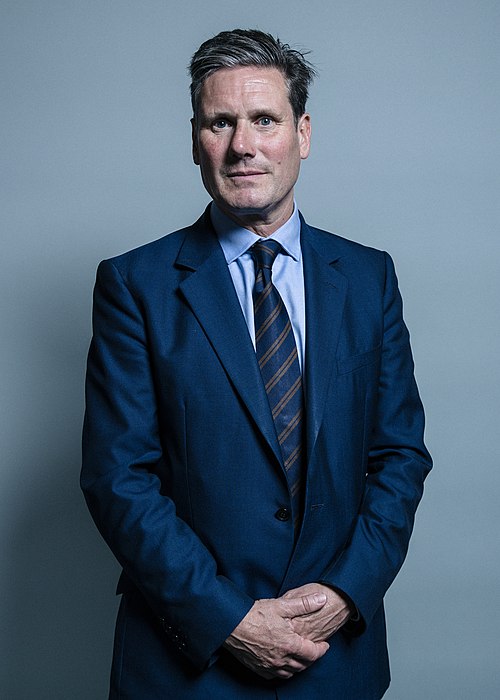
Amid concerns over a potential shift in Labour leadership, long-term UK borrowing costs have surged to their highest level in nearly 30 years, before stabilizing as cabinet ministers showed their support for Keir Starmer. Investors were initially anxious about possible changes to Labour’s fiscal strategies, causing the interest rate on 30-year government bonds to rise by 11 basis points to 5.794% on Tuesday morning, marking the highest point since May 1998.
The yields experienced a slight decline after the prime minister, during a Tuesday morning cabinet meeting, announced he would not step down and confirmed that no leadership challenge process had been initiated. This development followed the resignation of Miatta Fahnbulleh, who became the first minister to resign since Labour suffered significant losses in recent local and devolved elections. Fahnbulleh called for Starmer to resign, escalating the political tension.
Starmer reassured that the Labour party has a structured process for leadership challenges, which had not been activated. He emphasized the importance of focusing on governance, stating, “The country expects us to get on with governing. That is what I am doing and what we must do as a cabinet.”
Following the cabinet meeting, prominent ministers such as Peter Kyle, the business secretary, Liz Kendall, the technology secretary, and Steve Reed, the housing secretary, expressed their backing for Starmer. This show of support appeared to ease the financial markets’ uncertainty. Consequently, the benchmark 10-year yield on UK government bonds decreased to below 5.1%, having reached 5.13% earlier in the day. Similarly, the 30-year yield fell to 5.76% after hitting a 28-year high of 5.81%.
