
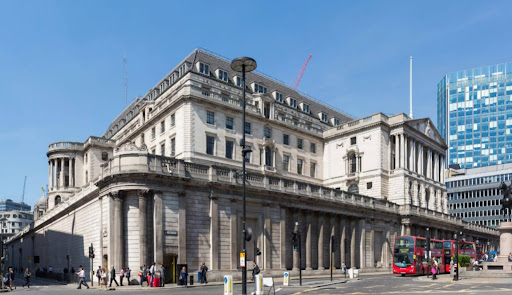
The Bank of England has warned the UK to prepare for an inflation rebound driven by the energy price impact of the Iran war, voting unanimously to hold rates at 3.75% on Thursday while signalling that borrowing costs could rise in the months ahead. Officials described the US-Israel conflict against Iran as a significant new economic shock that had materially altered the UK’s near-term price outlook. The Bank said inflation could rise above 3% and remain elevated well into 2026, a dramatic change from forecasts made just weeks before.
The inflation rebound risk stems from the war’s direct impact on global energy markets. Oil and gas prices have surged since the conflict began, threatening to reverse the progress the UK had been making toward its 2% inflation target. Households that had been anticipating lower energy bills are now facing the prospect of higher costs, particularly if supply chain disruptions continue through the year.
Governor Andrew Bailey said the Bank was closely monitoring the situation and stood ready to act if inflation threatened to become persistent. He acknowledged the visible early impact on petrol prices and warned that the shock could spread to household energy bills. His message attempted to prepare the public for the possibility of higher costs without generating unnecessary anxiety or premature speculation about policy moves.
Financial markets were quick to price in the inflation rebound risk. UK gilt yields rose, the FTSE 100 fell, and the pound gained against the dollar as traders moved to anticipate rate hikes before year end. City analysts revised their forecasts for the first rate increase to as early as June, with a second possible before December.
The political implications of a potential inflation rebound are significant. A resurgence in price growth after years of above-target inflation would damage public confidence in the government’s economic management and add to the financial pressure on households. Chancellor Reeves faces increasing pressure to provide support for the most vulnerable ahead of what could be a difficult second half of the year.
