
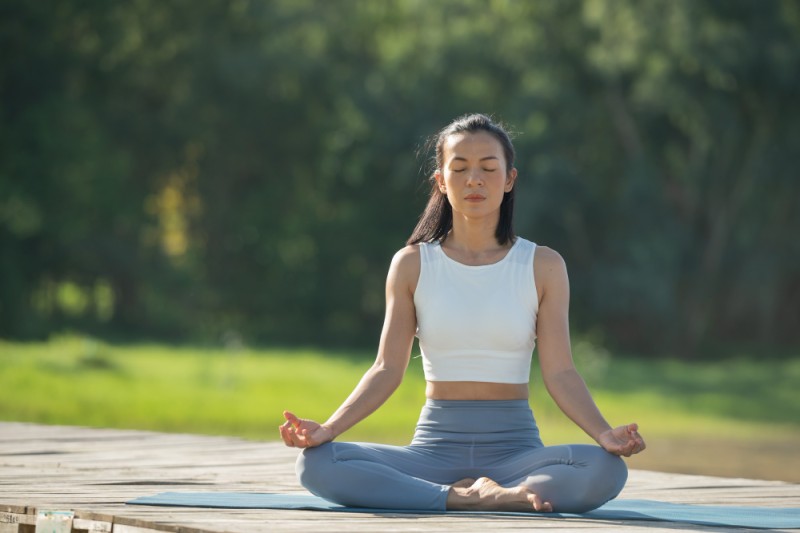
As the boundaries between professional and personal life become increasingly blurred for those working from home, meditation emerges as a useful tool to manage mental fatigue. The flexibility of remote work often comes with the downside of extended screen time and relentless notifications, leaving many feeling drained. Integrating meditation into daily routines can help create a mental space for calm and clarity, emphasizing the importance of being present.
Beginning the day with a few quiet moments can set a positive tone. Instead of diving into emails or social media right after waking, individuals can benefit from spending some time in silence. Sitting comfortably and focusing on their breathing allows them to clear their mind and set a peaceful mindset before tackling work tasks. This practice of quiet awareness helps in maintaining a sense of calm throughout the day.
Short breaks can also be transformed into mindful moments, offering relief before stress levels peak. By dedicating a few minutes periodically to concentrate on breathing, relaxing the body, or simply observing their environment, remote workers can alleviate mental pressure and refocus on the present. Such mindful pauses can be a powerful tool in managing everyday stress.
Meditation doesn’t always mean sitting still; it can be integrated into daily activities. Walking, eating, or even making a cup of tea can become opportunities for mindfulness. This approach encourages individuals to fully engage with simple tasks, cultivating a deeper awareness of the present moment rather than constantly anticipating the next task. Incorporating mindfulness into these routine activities can enrich daily experiences and foster a more balanced outlook.
Finally, as the workday concludes, a brief meditation session can act as a transition into personal time. This practice helps remote workers leave work-related thoughts behind and embrace relaxation. By spending a few moments in silence, they can create a mental boundary between professional duties and personal life. Meditation, therefore, serves not as an escape from challenges but as a means to enhance presence, focus, and awareness amidst daily responsibilities.
